
Summary: Use the closest help topic and include the system-specific facts below. DSE can correct routing during triage when the request details are complete.
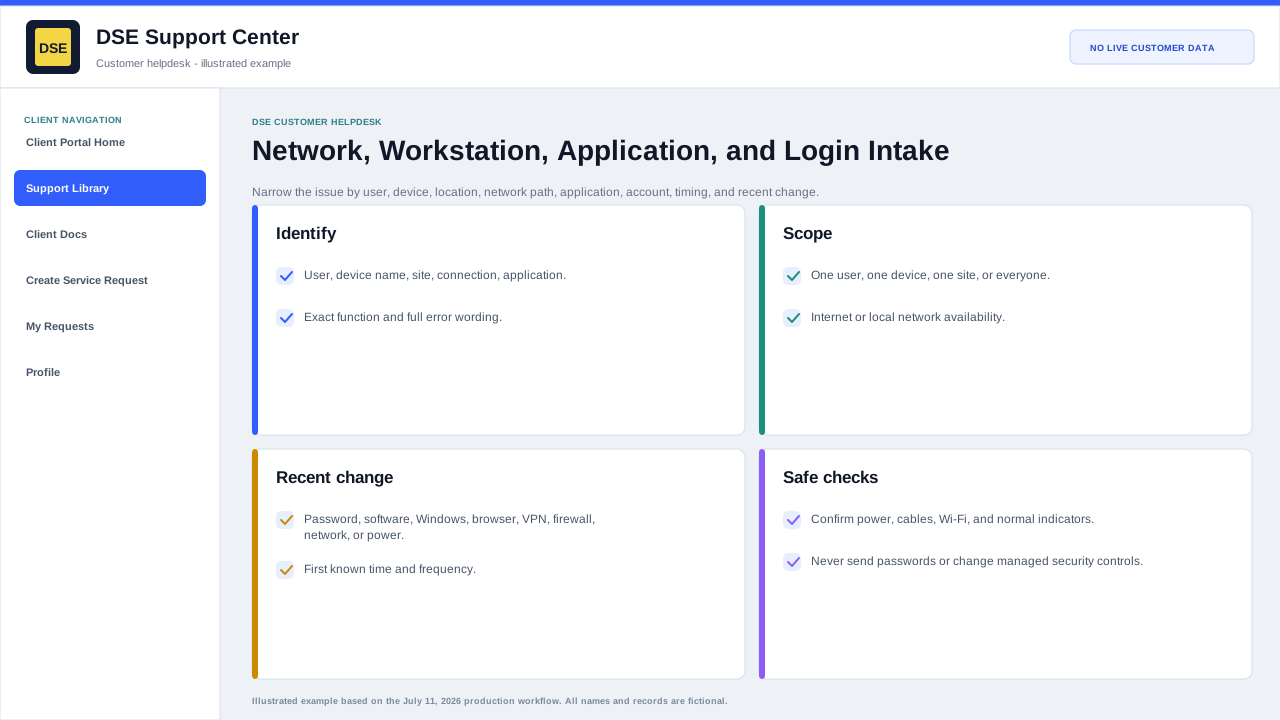
Information every request needs
- Company and exact site, building, floor, suite, or area.
- Affected user, device, door, camera, panel, application, or service.
- What should happen, what actually happens, and when the issue began.
- Scope and business impact, including any safe workaround.
- Best callback contact, access window, and supporting evidence.
Examples by request type
| Request | Useful details |
|---|---|
| Application or login | Application name, username or email, exact error, device, and last successful sign-in. |
| Network or workstation | Hostname, user, wired or wireless, IP or connection state, affected scope, and recent change. |
| Video or camera | Camera name, location, viewing client, live or recorded symptom, and example event time. |
| Access control | Door or reader name, credential holder, event time, expected access, actual result, and whether the door is secure. |
| Alarm, intrusion, or intercom | Panel or station, zone or point, state, event time, caller or station, and safety impact. |
| Project, quote, or billing | Project or reference number, site, contact, requested outcome, deadline, and approval context. |
Do not include
- Passwords, private keys, alarm codes, one-time codes, or full payment-card data.
- Unrelated customer, employee, or visitor information.
- Large exports or long recordings unless DSE asks for them and provides a safe method.
Related resources
Content owner: DSE Service Operations · Production review: July 11, 2026